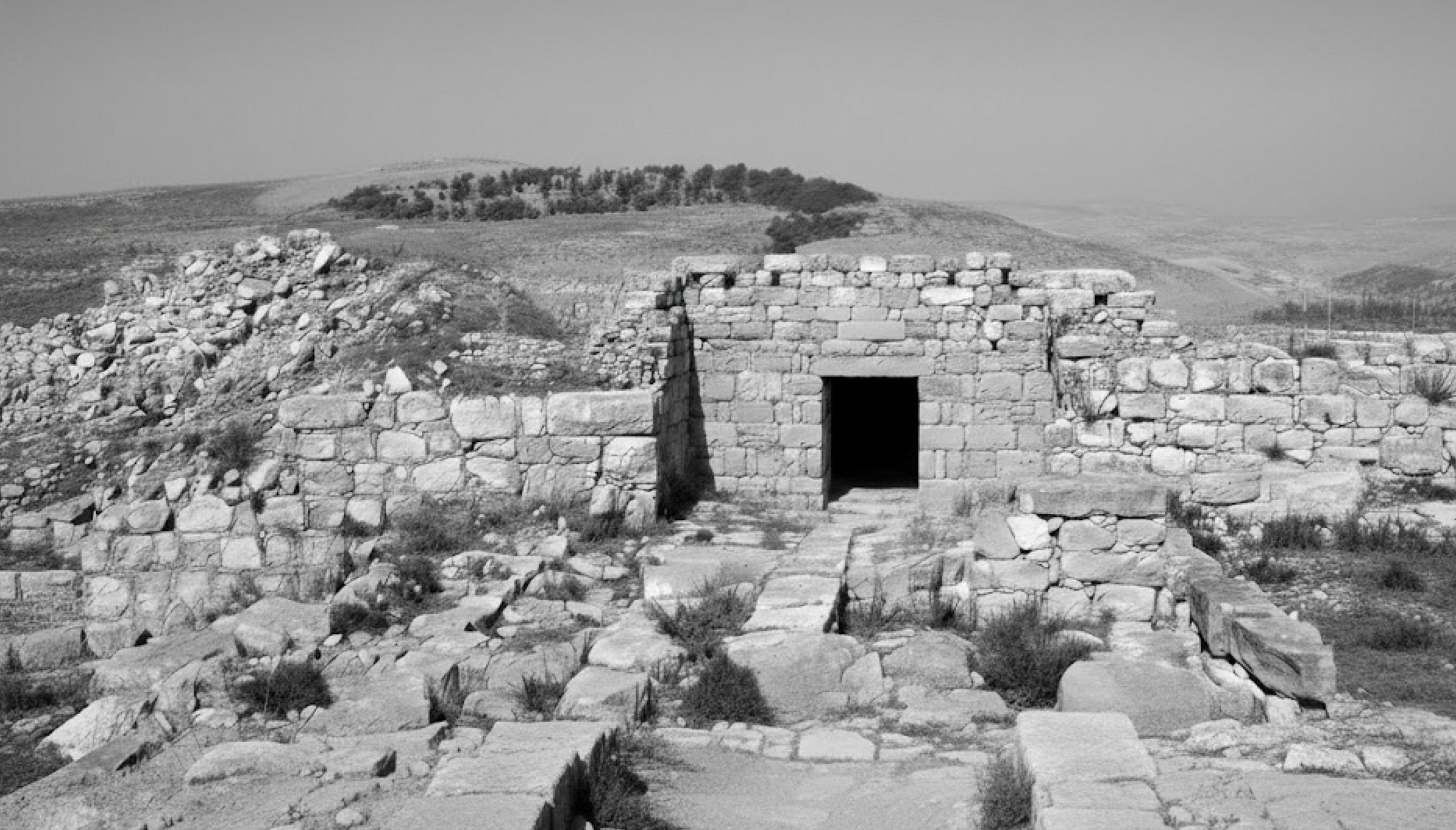
A landmark reconstruction of the patriarchal world through the water, land, and law of the ancient Levant.
You think you know the story of Abraham.
You don’t know the world that made him.
Before Abraham became the patriarch remembered by Judaism, Christianity, and Islam, he was a man moving through an ancient world of war, famine, tribal alliances, contested territory, water scarcity, broken oaths, sacrifice, and survival.
Then he encounters El.
From that relationship comes a Covenant whose memory still reaches into the modern world.
We Were Not Looking: Reconstructing the Patriarchal World Through Ancient Near Eastern Context follows Abraham and his descendants back into the physical world where those memories began.
The roads.
The wells.
The mountains.
The political boundaries.
The kinship networks.
The sacred places.
Using ancient Near Eastern history, historical geography, hydrology, political geography, archaeology, land law, and comparative readings of the Torah and Qur’an, the book asks a deceptively simple question:
About the Book
What was the Covenant before centuries of tradition told us what it meant?
The patriarchs did not move through empty space.
Land shaped movement.
Water shaped survival.
Kinship shaped protection.
Territory shaped conflict.
And Covenant unfolded inside all of it.
Within that landscape, familiar stories begin to sharpen.
Abraham’s movements through Shechem and the hill country become territorial decisions rather than scenery.
Hagar and Ishmael emerge within competing memories of wilderness, survival, and inheritance whose geography deserves to be examined rather than assumed.
Joseph’s descent into Egypt belongs to a world shaped by famine, migration, and political dependence.
And Jacob’s encounter at the Jabbok becomes a confrontation at a real river crossing, one whose terrain and likely travel corridor are also documented by BiblePlaces.
Those are not side details.
They are clues.
And when the land, the texts, and the remembered movements are placed back together, the story begins to look different.
Follow Abraham back to the land.
EXPLORE THE BOOK
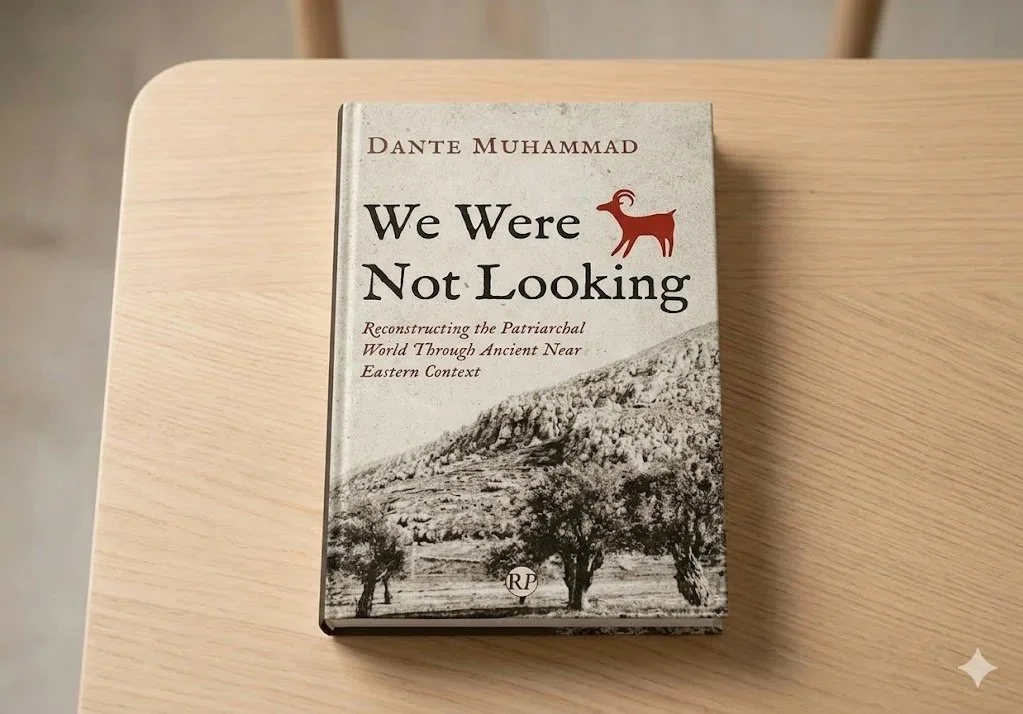
The Research Framework
A Geographic Reconstruction of the Patriarchal World ~
A clear, evidence‑based model of how the land itself — its water systems, ridgelines, and movement corridors — shaped the lives and decisions of the patriarchs.
A Jurisdictional Framework Rooted in Water & Territorial Law ~
A new interpretive lens showing how wells, altars, boundaries, and migration routes functioned as legal markers in the ancient Levant.
A Dual‑Witness Reading of Biblical & Qur’anic Traditions ~
A comparative approach that treats both traditions as parallel witnesses to a shared historical environment rather than isolated textual worlds.
A Cohesive Historical Landscape behind Abraham, Isaac, & Jacob ~
A synthesis of archaeology, hydrology, and tribal anthropology that reveals the patriarchal narratives as fragments of a coherent Middle Bronze Age world.
What People Are Saying
John Kaltner, Virginia Ballou McGehee Professor of Muslim–Christian Relations, Rhodes College
“A penetrating and beautifully crafted study that restores the land to its role as an active force in sacred history. Muhammad’s work reframes how we understand the world of the patriarchs.”
Ellen F. Davis, Amos Ragan Kearns Distinguished Professor of Bible and Practical Theology, Duke Divinity School
“A compelling work that bridges scholarship and lived experience, revealing how the land itself shapes the spiritual imagination of the Abrahamic traditions.”
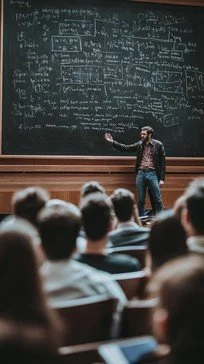
We Were Not Looking is designed for interdisciplinary engagement.
Explore how the jurisdictional grammar of the ancient Levant can enhance your department’s curriculum through course evaluation copies and research collaboration.
Desk Copies: Request a complimentary copy for course evaluation.
Syllabi Integration: Guidance for incorporating the monograph into ANE, biblical studies, Qur’anic studies, or geography courses.
Guest Lectures: Invite Dante Muhammad for virtual or in-person lectures on the environmental logic of the patriarchal world.
Research Collaboration: Opportunities for interdisciplinary projects & data exchange with Dante Muhammad.
For Universities & Instructors